
Ninjanordbo
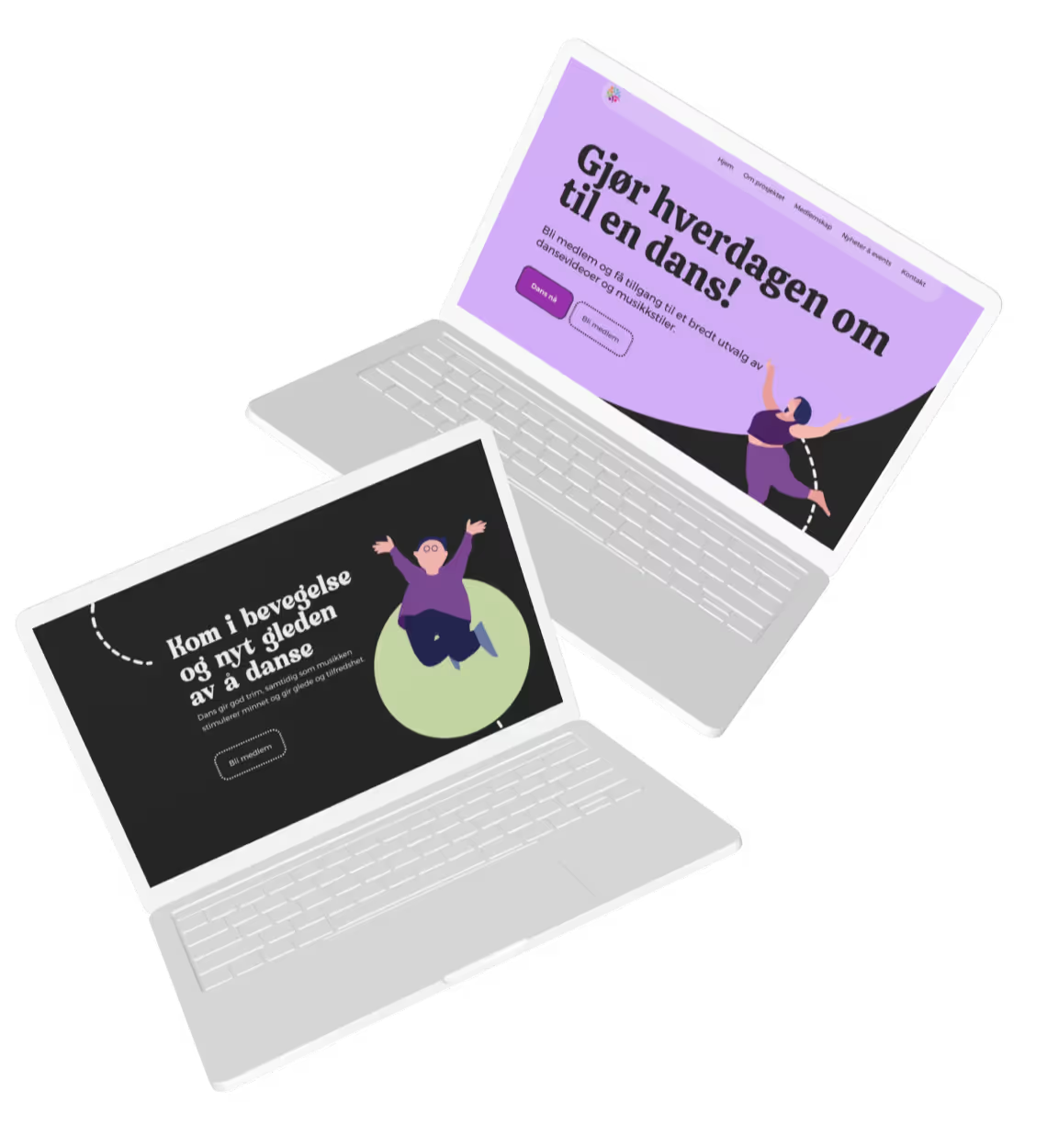
This year I joined Dancing for Dementia. They are aiming to bring music, movement and joy back into the lives of those affected.
Cognitive decline is a growing global challenge. This innovative approach taps into the power of rhythm and social connection.
Dementia affects millions worldwide. Dance therapy shows great promise for cognitive stimulation and emotional well-being in dementia patients, yet this powerful tool largely untapped in dementia care settings.
Our research revealed significant barriers preventing its widespread adoption and implementation. This challenge became our mission: to bridge the gap between dance therapy's known benefits and its practical application, ultimately enhancing the lives of those living with dementia.
Many healthcare providers and caregivers remain unaware of dance therapy's potential benefits, limiting its consideration as a viable intervention.
Existing dance programs often fail to address the unique needs and limitations of individuals with dementia, making implementation challenging in care settings.
Care facilities frequently lack the necessary resources, including trained staff and appropriate spaces, to implement effective dance therapy programs.
The absence of a standardized, evidence-based approach to dance therapy for dementia has led to inconsistent application and results across different care environments.
Caregivers and staff in dementia care facilities often lack the skills and confidence to lead dance activities effectively.
Many existing dance therapy programs are not easily accessible or adaptable for various stages of dementia and different care settings.
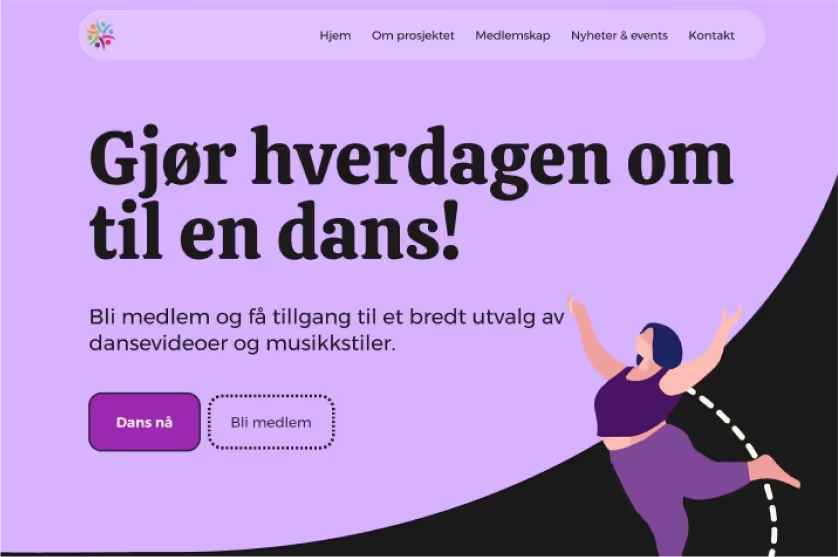
While the interface needed to be straightforward, we were mindful not to infantilise our users. The design had to be simple yet sophisticated, avoiding any resemblance to children's products.
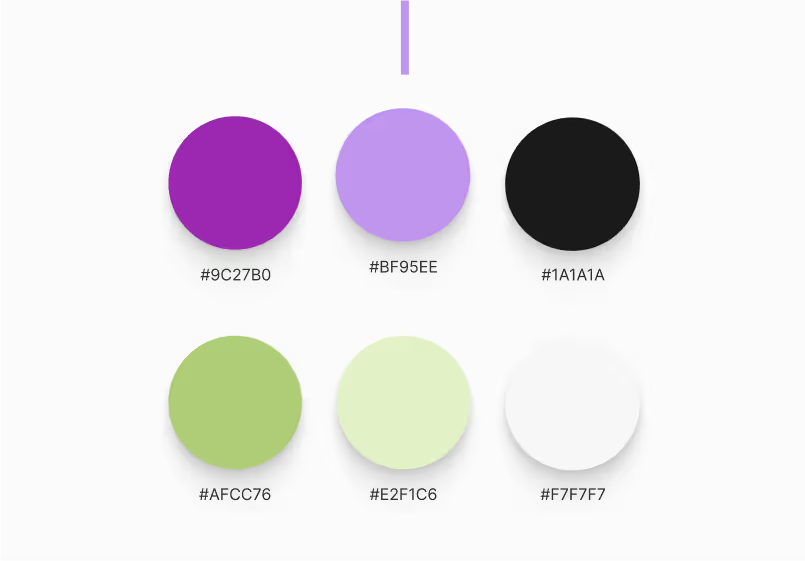
We chose an upbeat colour palette featuring tones of green and purple, aiming to create a positive, energising atmosphere. High contrast was implemented throughout to enhance readability and navigation.

Large, clear navigation elements were crucial. We implemented oversized buttons and simplified menu structures to facilitate easy movement through the app.
Through iterative prototyping and user testing, we discovered the need to eliminate all non-essential elements. This process of refinement was crucial in preventing cognitive overload and user frustration.
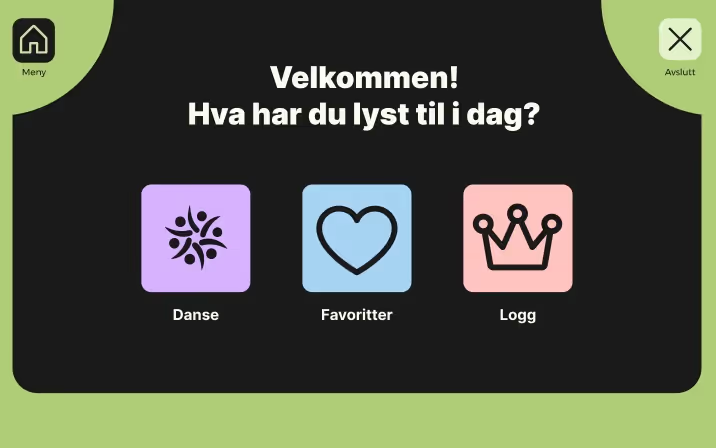
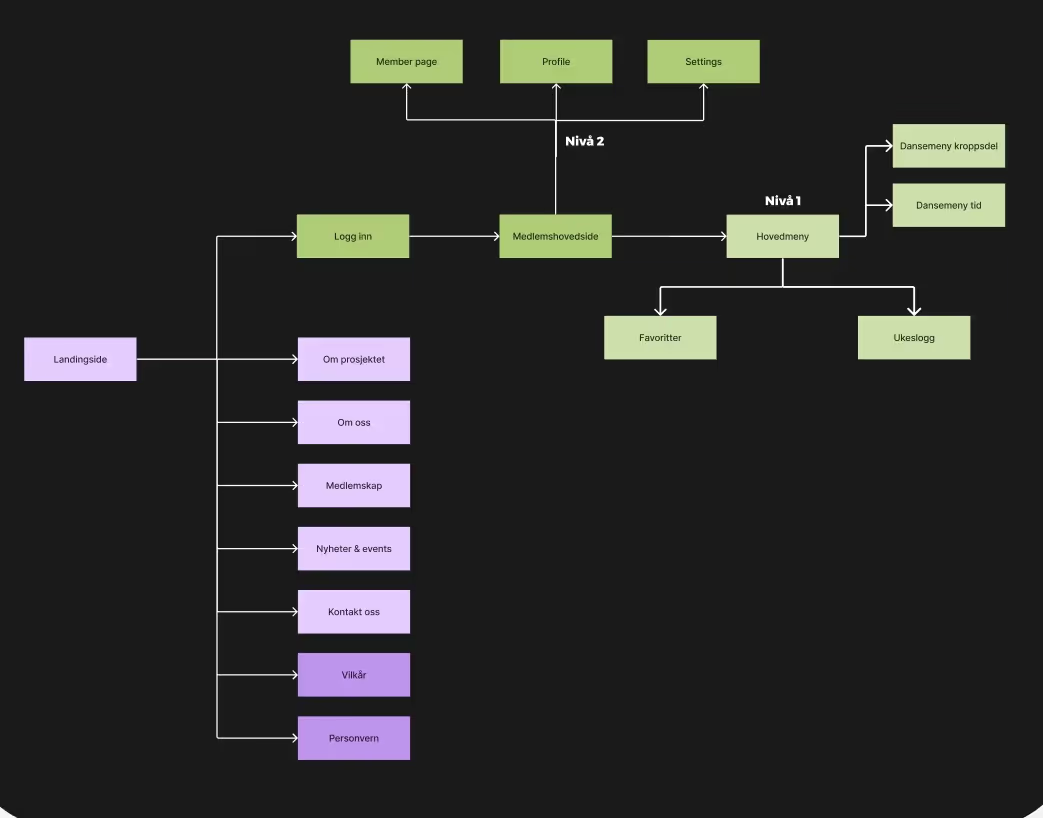
To prevent users with dementia from getting lost in complex settings, we divided the area behind the paywall into two distinct levels. This separation keeps profile settings, payment information, and other potentially confusing elements away from the core dance therapy content.

I'm here to help startups like yours tell their story
and make their mark.